Producing Dance Forum – 7th June FABRIC Birmingham!

Hello colleagues, I am leading a research network project funded by the Arts and Humanities Research Council scoping the state of the ecosystem that has supported/is supporting those involved in producing dance.

AHRC-funded Future Ecologies: Producing Dance Network

From 1.30-5.30 on 7th June we will be working with FABRIC in-person and online at the Dance Hub Birmingham.

Presenters
Raidene Carter – Artistic Director artsadmin
Mark Mallabone – Creative Producer Freelance
Genevieve Say – Artistic Director Birmingham Dance Network

We need your presence and your input to inform and shape our work! Advance sign-up via this form.

In-Person: 12.30-1.30 Arrivals and lunch – 1.30-5.30 as below

Online: 1:30-5.30 Presentations and Interactive Sessions

AHRC Investigators

‘Funmi Adewole, Co-Investigator, De Montfort University
Christopher Bannerman, Principal Investigator, London Contemporary Dance School
Sarah Hopfinger, Co-Investigator, Royal Conservatoire of Scotland
Rachel Krische, Co-Investigator, Leeds Beckett University
Vida Midgelow, Co-Investigator, University of the Arts London
Stefanie Sachsenmaier, Co-Investigator, Middlesex University

Arts Partners

Anand Bhatt, CEO/Artistic Director, Dance City
Anita Clark, Director, The Work Room
Andrew Hurst, Chief Executive, One Dance UK
Suzie Leighton, Co-Director, The Culture Capital Exchange
Eddie Nixon, Artistic Director, The Place
Efrosini Protopapa, Director PG Courses & Research, LCDS
Hannah Robertshaw, Creative Director, Yorkshire Dance
Paul Russ, CEO/Artistic Director, Fabric

Funded through AHRC Award AH/Y002334/1
Developed by Christopher Bannerman, Vida Midgelow and Steffi Sachsenmaier

Hold the date!

In partnership with FABRIC and Birmingham Dance Network the next FE:PDN hybrid event will take place on Friday 7 June at the Dance Hub space, Thorp Street, Birmingham. This is less than a 10 min walk from New Street Station. Parking is available (at a charge locally).

Further Information to be provided soon for attendance online.

Provisional Schedule

12:30–5:00pm

Arrivals and lunch 12:30–1:30

1:30 Welcome – framing of the project and the event – introductions
1:45 First course
2:25 Break
2:35 Second course
3:05 Break
3:15 Third course
3:55 Break
4:05 Final course
4:45 Wrap-up
5:00 Close

18 January FE:PDN Meeting

At this meeting of the network we began to share and discuss the experiences of producing dance and how they have, or might in future, intersect with HE. Anecdotally there is copious evidence of such links but they tend to be personal-professional and ‘below the radar’ of dance as an academic discipline; so one key aim of the FE:PDN project is to extend the range of dance in HE so that it encompasses the people, processes and products of producing. As we prepared the AHRC application that is supporting the network, the literature review revealed just how bare the cupboard is in relation to research related to dance and producing – we hope to begin to address that gap in our work.

Another related aim is to develop a better understanding of the dance ecosystem, how it functions and its current state in these unstable and challenging times. Both aims informed this day as we begin to gather the views and reflections of a group of leaders of dance organisations spread geographically but with UK and international networks. Steffi Sachsenmaier led the session and captured some of the discussion using online padlets.

Opening the Space – 1 at Yorkshire Dance

24 November 2023

One key aim of our network is to build stronger relationships between HE and the arts sector both through discussions between the members and by reaching out to include those who also have a place in the producing dance ecosystem. This approach also allows us to use a relationship-building strategy which suits our focus on practice – we create a network built on strong relationships by working together, and by reaching beyond the network members to take the ‘temperature’ of the wider dance sector.

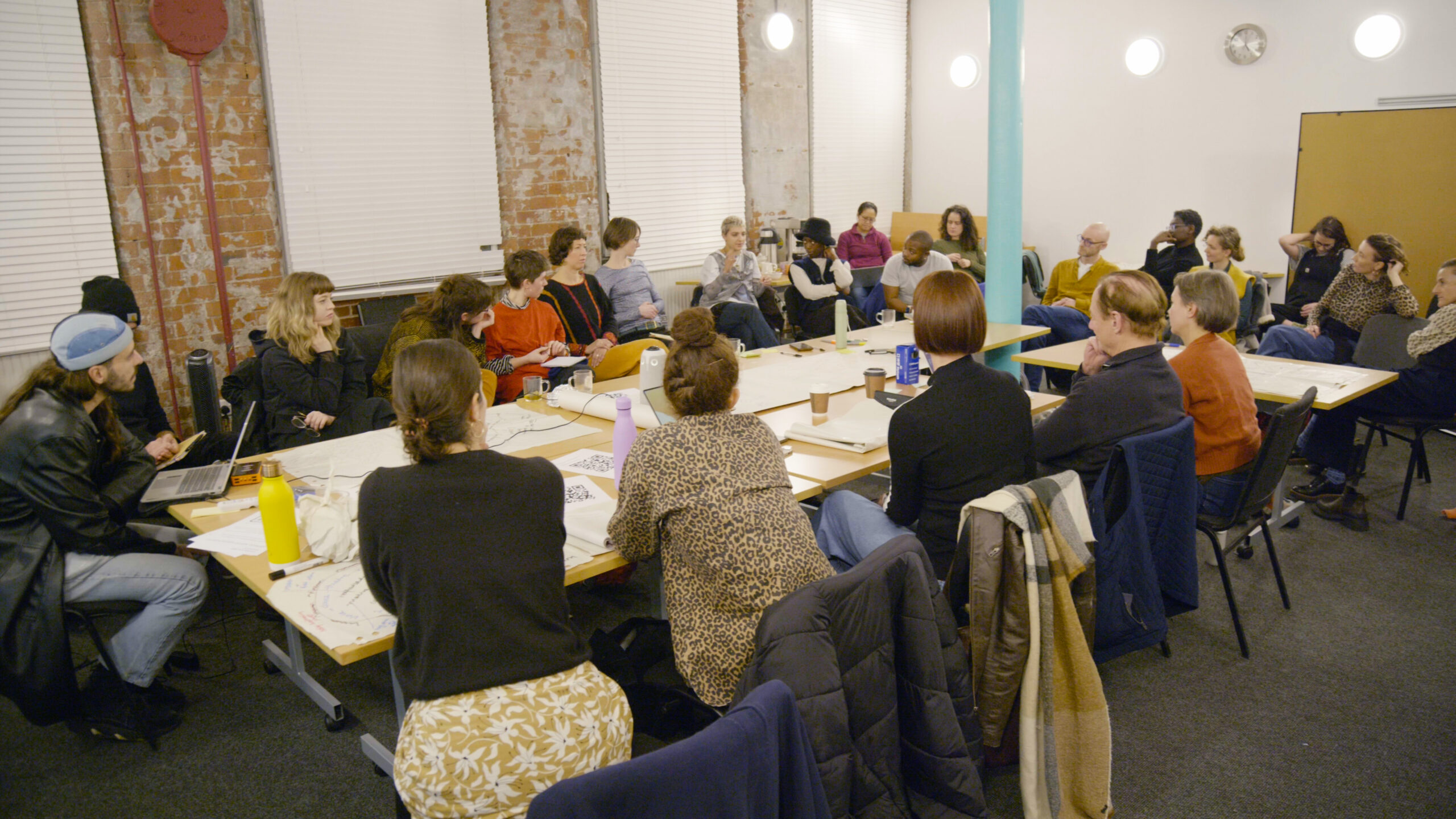
We started this process by working with Yorkshire Dance on a day divided into two sessions, the first with Network Members, followed by a gathering of artists from across the region and joined by those online.

The work at this point takes the form of a scoping exercise – one which begins with almost no literature and little in the way of publicly available records that might offer insights into the current state of the art. But even at this initial stage we hope to make a meaningful contribution by making more visible the work of our arts partners, hearing the voices of the sector and gathering evidence of the trends that are emerging.

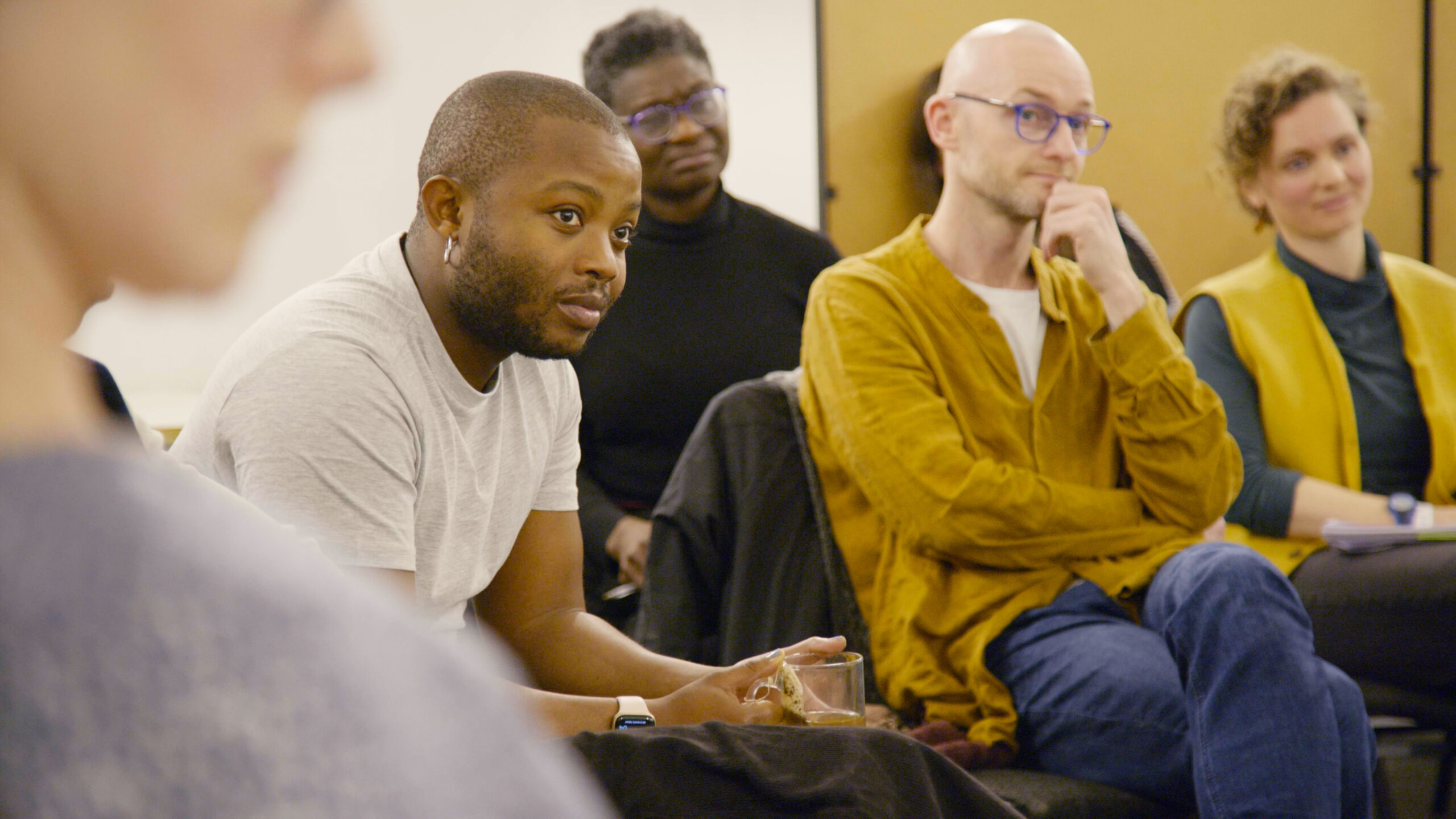
The day at Yorkshire Dance was lively, as the documentation which follows reveals – and the focus on the voices of the artists provided an important perspective for our work. Thank you to everyone at Yorkshire Dance and to Rachel Krische from Leeds-Beckett University who worked to make it happen.

Please follow our investigation over the months ahead and please also add your perspective, thoughts and comments.

Professor Christopher Bannerman

Introduction

The process of writing and submitting this application to the Arts and Humanities Research Council (AHRC) meant meeting the deadline of mid-March 2023 and starting work in October 2023. We were virtually certain from the outset that the impact of the challenges we identified were continuing and that turbulent times were coming. And unfortunately, so it has proved, with both the Higher Education and Arts sectors facing potentially existential threats from socio-economic headwinds, prevailing discourses and instability in the political space.

In essence our proposal is simple: we in dance need to bolster and formalise connectives between higher education and the cultural and creative sectors in terms of the currently deeply interwoven, but largely undocumented ecologies we inhabit and represent.

Our focus on producing dance is designed to focus attention on those who are best placed to address the challenges and identify new pathways and opportunities for the dance sector as a whole. This goes beyond the professional roles and related ‘producer’ job titles, to reveal how producing might be seen as central to the dance ecosystem, vital for sustaining artists and creative and embodied knowledge generation, and thereby extending and reframing understandings of practice-research to include many ways that dance reaches and engages a range of audiences.

Producing, taken conceptually and holistically, encompasses multifaceted processes of making things happen, of negotiating across constituencies to bring something into the world, of discovering, revealing and activating learning and new insights in, about and through dance. Producing also encompasses the creation and curation of meaningful engagements across a range of contexts that address broader social and cultural issues of equity and inclusion.

We plan to address another important absence in these turbulent times: there is no road map to sustainability, or model for even understanding the dance producing ecosystem despite the urgent need to consider and evaluate emerging developments to promote resilience and renewal. By encompassing a diverse range of dance cultures and research practices, we seek to identify new opportunities for the professional dance sector, to expand approaches to future dance research, to inform policymaking for dance and to demonstrate an ecosystem that is inclusive and dynamic.

These are ambitious aims in particularly challenging times, but we hope to hear your voices and to make a difference.

Professor Christopher Bannerman